Your one-stop destination for professional advice, maintenance protocols, and safety standards. Everything we know about air frying, in one place.
Basket Air Fryers
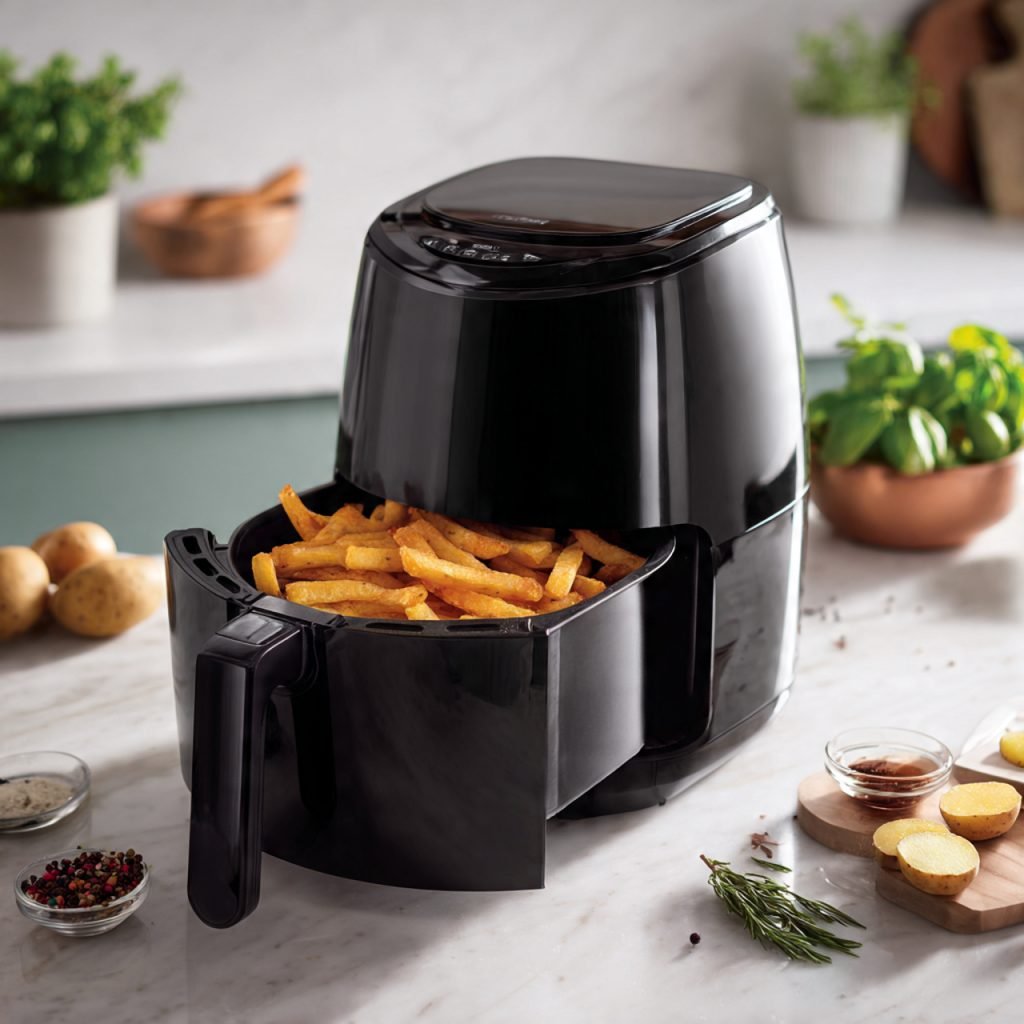
The classic choice. Best for quick snacks, frozen foods, and small families. Offers the best crisping due to concentrated airflow.
Air Fryer Kale Puffs
I do admit that I love Dr. Praeger’s foods, so when I saw Dr. Praeger’s Kale Puffs, I had to try and air fry them. Why not?
Smart/Combo Units
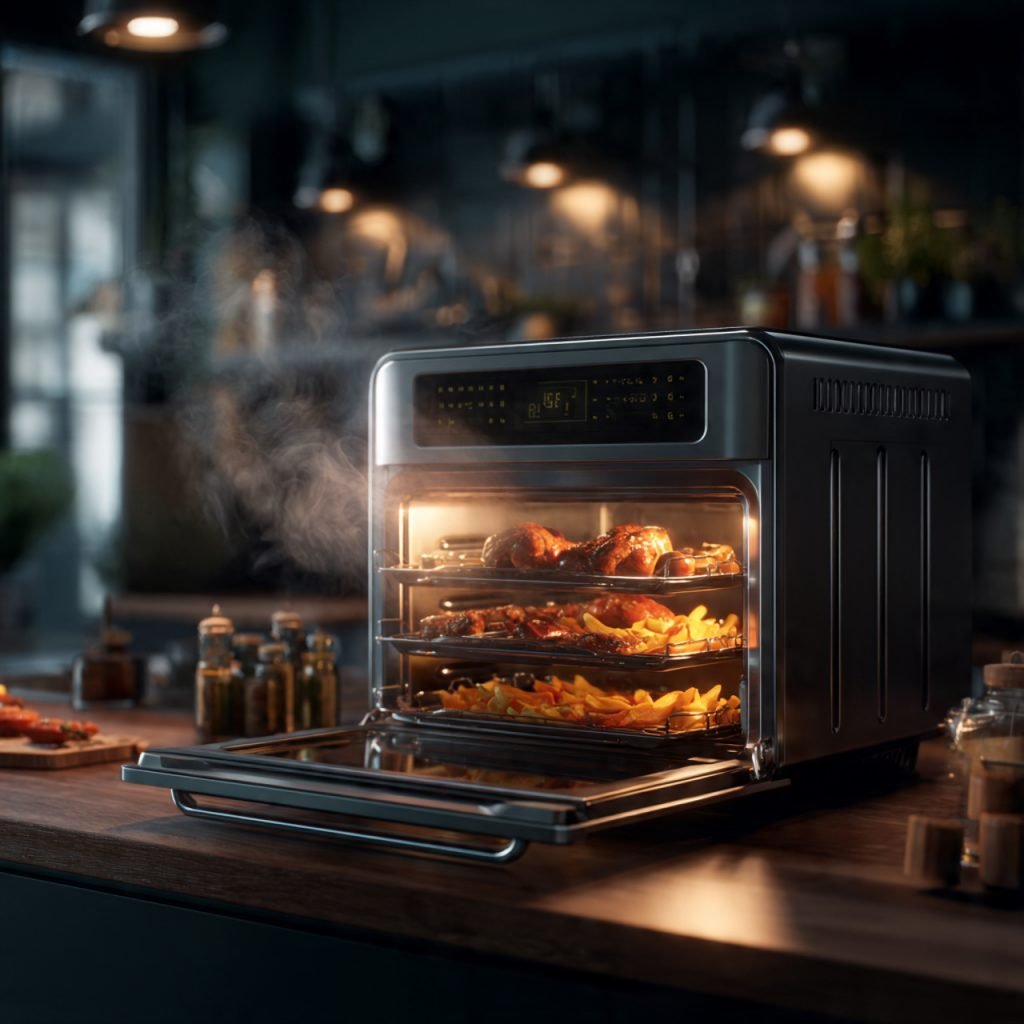
Includes pressure cooking or steaming functions. Best for small kitchens where saving counter space is a priority.
1
Getting Started with Your Air Fryer
Perfect guide for beginners to learn basics, safety, and first recipes.
2
Baking in the Air Fryer
Learn how to bake cakes, muffins, and desserts perfectly in an air fryer..
3
Cooking Meat to Perfection in the Air Fryer
Master chicken, steak, and meat recipes with the right time & temperature.
Use a light oil mist
A thin layer of oil enhances crispiness without adding deep-fried calories.
Keep food spaced
Single layer cooking improves airflow and prevents soggy results.
Shake or flip halfway
Helps every side get exposure to heat for even browning.
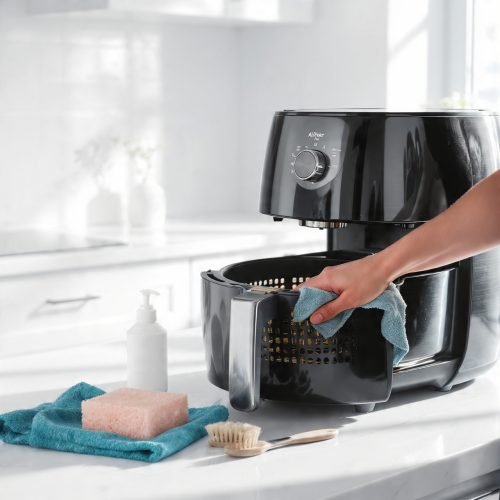
Clean after every use
Regular cleaning prolongs performance and prevents smoke.
Safety Standards
Air fryers operate at high temperatures with rapid air movement. Following basic safety protocols ensures your kitchen remains safe and your food delicious.
Use Oil Sparingly
Always leave at least 5 inches of space behind the air fryer exhaust to prevent counter overheating or cabinet damage.
Aerosol Warning
Never use aerosol cooking sprays (like PAM) on your basket. The propellants erode the non-stick coating over time.
Paper Precautions
Only put parchment paper in the air fryer after placing food on top. Without food, the paper will fly into the heating element and catch fire.
The Smoke Solution
If your unit is smoking while cooking fatty foods, place a tablespoon of water or a slice of bread in the bottom tray to catch grease drips.
Do I really need to preheat?
For meats and protein, yes. It sears the exterior and locks in juices. For vegetables and frozen snacks, preheating is optional but recommended for better results.
Can I use aluminum foil?
Yes, but never block the entire tray. Air must circulate. Always weigh down the foil with food so it doesn’t blow into the heating element.
Is it really healthier than deep frying?
Absolutely. Air frying uses up to 80% less oil while achieving similar results by utilizing convection heat instead of an oil bath.
Can I bake cakes in an air fryer?
Yes! Air fryers are essentially tiny ovens. Use small, thin-walled pans and lower the temperature by 25°F from a standard recipe.
Do I need to preheat my airfryer?
A 3-5 minute preheat improves results, especially for meats and frozen foods. Some quick snacks can skip it.